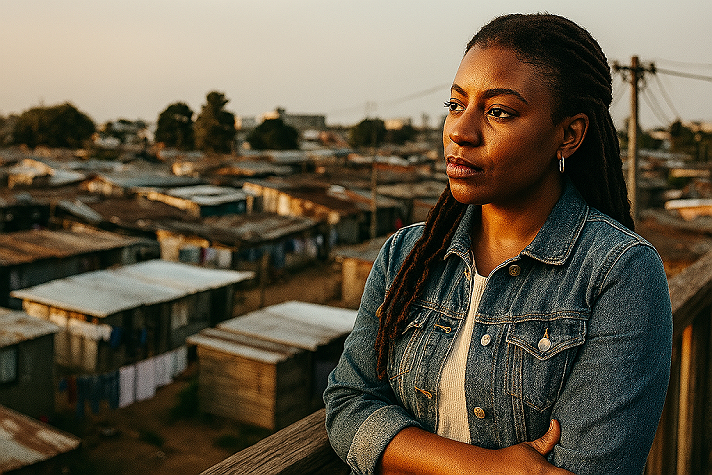



Liberation Requires Ecosystems, Not Just Entrepreneurs
There is a critical paradox in the modern Black liberation movement: we have spent centuries fighting to be recognized as full human beings beyond the roles of laborer or victim, yet as we gain economic and political footholds, we often replicate fragmented, hyper-individualistic models that undermine long-term sovereignty. True Black power is not measured by how many of us start businesses, but by how effectively those businesses interlock, circulate wealth, and build institutional resilience across generations. The shift from “me, myself, and I” to “us and we” is not merely ideological; it is economic infrastructure.
There is a critical paradox in the modern Black liberation movement: we have spent centuries fighting to be recognized as full human beings beyond the roles of laborer or victim, yet as we gain economic and political footholds, we often replicate fragmented, hyper-individualistic models that undermine long-term sovereignty. True Black power is not measured by how many of us start businesses, but by how effectively those businesses interlock, circulate wealth, and build institutional resilience across generations. The shift from “me, myself, and I” to “us and we” is not merely ideological; it is economic infrastructure.