



EPA proposes rollback on rules limiting carbon and air pollution from fossil fuel power plants
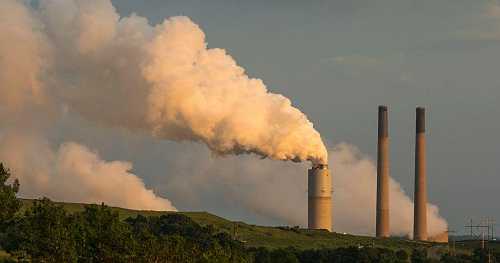 Title: The EPA's Rollback Proposal for Carbon and Air Pollution Regulations
Introduction
The Environmental Protection Agency (EPA) is proposing a rollback of regulations aimed at reducing carbon and air pollution from fossil fuel power plants. This move is part of the Trump administration's broader efforts to address climate change. The proposal aims to modernize emission standards and waste management practices, potentially benefiting both industries and ecosystems by creating cleaner energy options.
Background on Trump
President Donald Trump has been promoting climate action as part of his campaign strategy. He recently announced plans for a $20 trillion rollback of fossil fuel-based emissions regulations, which aligns with the EPA's proposed initiative. This move reflects Trump's commitment to reducing carbon emissions and his goal of achieving net-zero energy by 2050.
Opponents' Arguments
- Job Creation: Proponents argue that reduced regulations will create jobs in industries reliant on fossil fuels, potentially outweighing any environmental benefits.
- Regulatory Flexibility: Critics suggest that removing strict regulations may encourage innovation and reduce investment in fossil fuel projects, which could negatively impact the economy.
Supporters' Viewpoints
- Environmental Benefits: Opponents counter that fossil fuels are still significant contributors to emissions, requiring substantial investment or technological changes.
- Global Standards: Advocates emphasize that transitioning to cleaner energy through this roll back can set a precedent for global standards and reduce dependency on fossil fuels.
Potential Outcomes and Challenges
- The rollback could create new industrial opportunities in battery technologies and clean manufacturing. However, it may also disrupt traditional sectors if existing industries rely heavily on fossil fuels.
- Environmental impact assessments might become less stringent, potentially leading to the development of more abundant renewable energy sources. This could increase competition among companies seeking cleaner emissions.
Opposition Mechanisms
- Public Participation: The roll back will likely involve extensive public meetings and grassroots efforts.
- Stakeholder Groups: Organizations opposing the rollback can mobilize against this proposal through protests, workshops, and advocacy.
Balanced View
While opponents highlight economic impacts, the broader goal of transitioning to cleaner energy through the roll back aligns with global sustainability goals. The initiative offers both immediate benefits for industries and potential future opportunities for reducing emissions costs. The roll back could be a significant step toward a greener future, balancing economic impact with environmental benefits.
Conclusion
The EPA's rollback proposal reflects Trump's commitment to climate action and represents a bold move to modernize emission regulations. While opponents warn of economic trade-offs, the overall potential for cleaner energy solutions is significant. The roll back could provide both immediate relief for industries and long-term opportunities for reducing carbon emissions by promoting transition to cleaner energy.
Conclusion
The EPA's proposal aims to benefit both industries and ecosystems through reduced carbon and air pollution regulations, offering a promising path toward climate action.
------