



Folks Are Comparing Anti-ICE Protests to the 1992 L.A. Riots. Here's Why That Doesn't Work at All | The Root
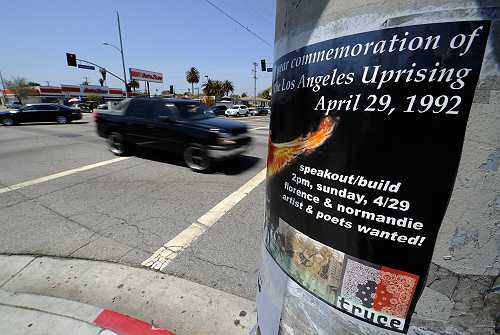 Comparing Anti-ICE Protests to the 1992 L.A. Riots: A Shift in Justice Movement Focus
In a recent article on The Root, readers are invited to compare the violent protests against ICE with the celebrated 1992 Los Angeles riots. Though the root article critiques this comparison as misleading, it's essential to understand both events deeply.
The 1992 L.A. Riots: A Symbol of Justice Movement
The 1992 L.A. riots were a pivotal moment in U.S. history. In response to the violent police beats by Rodney King and his co-conspirators, thousands gathered in a public square, known as the "Hill," expressing outrage. This event led to significant protests, where students, teachers, and community members clashed with police forces to demand justice.
The riots became a symbol of the struggle for racial justice and equality. The protests were marked by sustained violence and had long-lasting effects on the city's community, including the loss of many lives in the violence.
Modern Los Angeles: A Crossroads at Another Time
However, three decades later, Los Angeles has reached another crossroads, but the stakes are not the same. The root article humorously critiques comparing these modern protests to the 1992 riots as unfair.
In the 30 years since the riots, anti-ICE protests now focus on addressing systemic issues within the Los Angeles criminal justice system. These include overcrowding in prisons, a lack of representation among corrections officers, and systemic inequities in education and probation.
The Shift in Priorities
It's crucial to recognize that while the 1992 riots were more about the victims' immediate reactions and frustration, today's protests are about accountability and reform. The focus now shifts from justice for those already impacted to ensuring fair and transparent processes within the corrections system.
The ongoing nature of justice movements is evident in these protests. Despite a wave of violence and social unrest, there remains a demand for systemic change and accountability. These events remind us that justice often takes time to develop, especially when faced with complex systems and inequalities.
Conclusion
In summary, while the root article critiques comparing modern protests to historical ones, it highlights how the shift in focus reflects broader changes in priorities in LA. The 1992 riots were a moment of significant change, but today's anti-ICE protests emphasize accountability and reform over immediate justice for victims.
As the Los Angeles community continues to grapple with these issues, we can see that justice is still a journey, requiring patience and resilience as we work toward meaningful change.
------
Topic Live