


Unlawful assembly declared in L.A. after "No Kings" protests
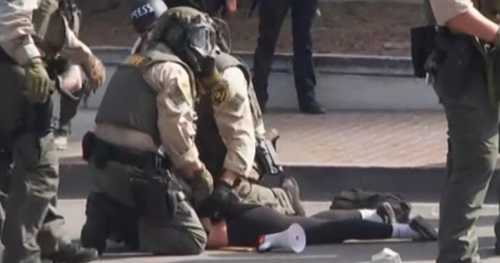 The Unlawful Assembly in Los Angeles: A Reaction to "No Kings" Protests
Los Angeles has long been a symbol of social tension, with debates over free speech and regulation often raged against by the city. The recent protests, titled "No Kings," sparked a heated reaction from locals and authorities alike. On Saturday, Los Angeles Police Department (LSD) issued a declaration declaring an unlawful assembly following these protests.
The event began as a clash between two groups of protesters: those supporting anti-guns legislation and the non-protesters who viewed the protests as part of the federal government's role in the U.S. Congress. The lasers from lasers fired at the protest ground by city residents, known as "The Fire," caused chaos, with many people running from the scene.
Police were among the first to respond, arresting several individuals and ordering those within range to leave. However, the situation turned deadly as officers continued their pursuit of the protesters. The situation reached a boiling point on Saturday when the lasers fired at police cars and officers, resulting in fatal collisions and injuries. This escalation led to a shutdown of critical infrastructure in the city, including the Los Angeles Fire Department and major bridges.
As the protest closed, the public square was once again closed for safety measures aimed at preventing further violence. The event marked a significant shift in LA's political landscape, with both an end to decades-long tensions and ongoing scrutiny over its social and legal structure.
Meanwhile, city officials expressed growing frustration. Mayor Antonio DeLa torre and city manager Maria Cardenas expressed concerns about the impact on local residents, particularly children and seniors, who often face fear of violence. Police remain focused on minimizing harm while addressing the issue's complexities.
In a broader context, LA has grappled with similar events in recent years. The "No Kings" protests were preceded by other demonstrations, including the demonstrations for gun control legislation and the rise of anti-popular rhetoric in cities like San Francisco and Chicago. These events have drawn attention to the challenges of balancing public expression with law enforcement responsibilities.
Despite the ongoing tension, LA remains a catalyst for future discussions on free speech and public safety. The "No Kings" protests offer a reminder that even protracted debates can lead to significant social and legal changes. As the city continues to grapple with these issues, it remains a symbol of resilience, proving that some faces are better served together.
------
Topic Live